Squiggly Patterns Pack: A Strategic Asset for Creative and Commercial Projects
A single pattern can shift a product from ordinary to memorable. The Squiggly Patterns Pack offers five tileable, child-friendly squiggle designs that bring energy, movement, and fun to a wide range of projects. But this pack is more than a set of cute graphics—it is a strategic resource for entrepreneurs, marketers, educators, designers, and small business owners who want to make intentional decisions about visual communication, branding, and customer experience.
Understanding how to use this pack with purpose, rather than as a decorative afterthought, can help you support specific goals, improve engagement, and create cohesive visual stories. This article explores the practical value of the Squiggly Patterns Pack and offers guidance on integrating it into your work with clarity and direction.
What the Squiggly Patterns Pack Offers and Why It Matters
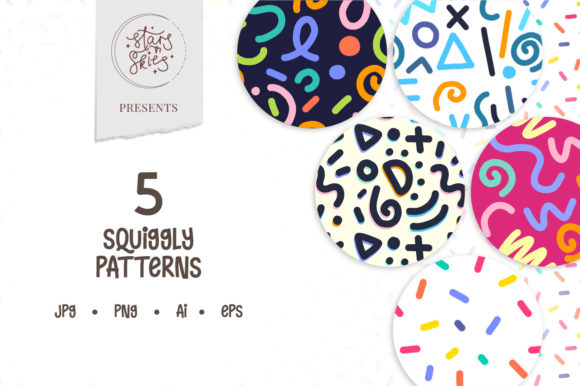
The pack includes five distinct squiggly patterns, each designed as tileable repeats. This means the patterns can be seamlessly extended across surfaces without visible breaks—critical for fabric printing, wrapping paper, packaging, and digital backgrounds. The files come in AI, PNG, JPG, and EPS10 formats, giving you flexibility whether you work in vector-based design software or prefer raster images for quick mockups.
For busy professionals and creators, having ready-to-use patterns in multiple formats saves hours of preparation. Instead of building a pattern from scratch, you can open the file, adjust colors if needed, and apply it directly to your work. The tileable nature also ensures that large-area applications like apparel or wall décor remain visually consistent, reducing the risk of awkward seams or mismatched repeats.
From a strategic perspective, these patterns can help you solve recurring challenges: how to add playfulness without chaos, how to appeal to children or young-at-heart audiences, and how to differentiate products in crowded markets. The squiggly style is inherently energetic and informal, making it suitable for projects that require a light, approachable tone. But it also demands thoughtful integration—used carelessly, it can overwhelm or distract.
Strategic Uses for Different Goals and Audiences
Every visual element in a project should serve a purpose. The Squiggly Patterns Pack is not a one-size-fits-all solution, but it can be aligned with several common objectives:
- Brand positioning for children’s products. If your brand targets parents, educators, or kids themselves, squiggly patterns can reinforce a sense of creativity and spontaneity. Use them on apparel, bedding, or stationery to signal that your products are designed for active, playful use.
- Customer experience through packaging. Wrapping paper or gift boxes covered in squiggles can turn unboxing into a small event. This is particularly valuable for e-commerce businesses that rely on repeat purchases—delight in the packaging encourages sharing on social media and builds brand recall.
- Educational materials and classroom tools. Teachers and homeschoolers can print the patterns onto worksheets, name tags, or wall charts. The non-repetitive energy of squiggles supports a vibrant learning environment without the visual noise of overly complex designs.
- Scrapbooking and personal DIY projects. Hobbyists often need themes that tie together multiple pages or objects. A consistent squiggle pattern across a scrapbook or party décor creates coherence while keeping the mood light and joyful.
In each case, the pattern acts as a tool for communication. It tells the user or customer something about the experience they are about to have. That is why choosing it intentionally—rather than because it “looks cute”—matters.
Planning Your Application with Intent
Before applying the Squiggly Patterns Pack to a final product, take time to evaluate how the pattern will interact with your overall design. Consider these planning steps:
- Color compatibility. The pack contains black-and-white line squiggles by default (as per the product imagery). You can recolor them in vector editing software to match your brand palette. If you use the PNG or JPG versions, test the pattern against your background colors. High-contrast squiggles stand out, while muted versions can act as subtle texture.
- Scale and repetition size. The tileable nature means you can adjust the scale of the pattern. On a small card, a large squiggle may appear too bold; on a dress, the same scale might work beautifully. Use your design tools to preview the pattern at different sizes to find the right balance.
- Placement and focus. Decide whether the pattern will be the hero element or a supporting texture. For gift wrap, the pattern can cover the entire surface. For apparel, it might work best as an all-over print or a focal patch. Resist the temptation to use it everywhere at once—sometimes a single accent is more effective.
- Testing on mockups. Many entrepreneurs skip this step, but mockups reveal how the pattern behaves in three dimensions. A pattern that looks great on a flat screen may distort when folded or stretched. Run a quick digital mockup or print a sample before committing to production.
By approaching the pack as a material to be crafted into a solution, you move from random decoration to deliberate design. That shift often distinguishes amateur projects from professional ones.
When to Use Squigglies and When to Step Back
Knowing when to use the Squiggly Patterns Pack is as important as knowing how. The patterns suit projects that benefit from a lively, informal, or child-oriented aesthetic. Consider using them for:
- Children’s clothing lines, especially for playwear or summer collections.
- Party supplies, such as cups, banners, invitations, and thank-you tags.
- Product packaging aimed at family audiences, like snack foods or toy accessories.
- Social media graphics for brands that celebrate creativity and fun.
- Classroom décor or learning aids where visual energy supports engagement.
Conversely, these patterns may not serve your goals if your brand identity is built on minimalism, sophistication, or high-end luxury. The squiggly style is inherently casual; forcing it into a formal context can create dissonance. Similarly, if your project targets an older or more serious professional audience—such as medical or financial services—the playful tone may undermine credibility. In those cases, a more restrained pattern or texture would be a better fit.
Another situation to avoid is using the pattern as a default filler. If you cannot articulate why a squiggly pattern belongs in your project, it probably does not. Every visual asset should earn its place. If you find yourself adding the pattern simply because it exists, pause and revisit the goal of your piece.
Risks of Using the Pattern Without Clear Goals
One of the most common missteps among creators and small business owners is using appealing graphics without a strategic reason. The Squiggly Patterns Pack is charming and versatile, but relying on it without context can lead to several problems:
- Visual noise and loss of hierarchy. In product design, too many competing elements confuse the eye. A dominant squiggle pattern can overwhelm typography, logos, or key messaging. Always ensure your pattern does not reduce readability or obscure important information.
- Brand dilution. Your brand’s visual identity is built on consistency. If you use squiggly patterns on one product and completely different styles on another without a unifying thread, customers may struggle to recognize your brand. Maintain a coherent visual language.
- Copyright or licensing misunderstandings. The pack is a digital download that includes a copyright notice: “©StarsnSkies2021.” While the product description suggests it can be used for printing and DIY projects, you should read the specific license terms to understand limits on commercial use, redistribution, or modification. Using the pattern without clarity on permissions can create legal risk, especially if you sell products incorporating the design.
- Inappropriate audience fit. As mentioned, a playful squiggle pattern may not resonate with every demographic. Applying it to a product targeted at teenagers or professionals might feel condescending or mismatched. Test your concept with a small sample of your actual target audience before full production.
These risks are avoidable with planning and honesty about what the pattern brings to the table. The patterns themselves are not the problem; the problem is when they are used as a shortcut instead of a considered choice.
Long-Term Value and Reusability
One of the strongest strategic advantages of the Squiggly Patterns Pack is its reusability. Because the patterns are tileable and provided in vector format, you can archive them and incorporate them into future projects. Over time, they become a part of your design toolkit—available for seasonal promotions, new product lines, or collaborative projects.
For freelancers and design agencies, having a library of high-quality patterns can also reduce project turnaround time. When a client needs a playful element quickly, you can adapt a squiggle pattern from this pack instead of building something from scratch. Just ensure you have the right to use the file for client work under the license.
Additionally, the EPS10 format ensures compatibility with most professional design applications and allows scaling to any size without loss of quality. This means you could use the same file for a small business card and a large store banner, maintaining consistency across touchpoints. The PNG version is useful for quick compositing in presentation tools or social media scheduling apps.
Practical Examples to Inspire Your Approach
Consider how different professionals might apply the Squiggly Patterns Pack with a clear strategy:
- A children’s clothing startup chooses one of the five patterns as a signature print for its debut summer line. The founder uses the vector files to create fabric samples, then runs a limited batch of tops and dresses. The pattern becomes a recognizable element of the brand, repeated across tags, hang tags, and social media posts.
- A party planner downloads the pack to create cohesive decorations for a kindergarten graduation event. They print the pattern on paper cones, gift bags, and a photo backdrop. The tileable nature ensures that even large-format prints look seamless.
- A teacher sharing resources online uses the pattern as a border or background for phonics worksheets. Because the pattern is light in color after desaturating it, it adds visual interest without distracting from the learning content.
- A small stationery shop owner offers a set of greeting cards featuring a squiggle design as a limited edition. They use the AI file to adjust the pattern size so it fits perfectly on A2 cards, then pack the cards with matching envelopes.
Each of these examples starts with a clear purpose. The pattern is not an afterthought—it is a deliberate tool that supports a larger goal. That intentionality makes the final product more effective and more likely to resonate with the intended audience.
Decision-Making Guidance: Is the Squiggly Patterns Pack Right for Your Project?
Before you purchase and apply the pack, ask yourself these questions. They will help you decide whether the squiggly aesthetic aligns with your objectives:
- What emotion or tone do I want my project to convey? Squiggly patterns evoke fun, energy, and lightheartedness. If that matches your message, proceed.
- Who is my end user or customer? If they are children, parents, or people seeking playful experiences, the pattern is likely a good fit. For more serious or formal audiences, consider other options.
- How will the pattern interact with other design elements? Can it serve as a background, an accent, or a primary pattern without clashing? Test this early in your design process.
- Do I have the technical skills to modify the pattern if needed? Working with AI or EPS files requires vector editing software. If you only have access to basic image editors, the PNG and JPG versions still offer high quality, but you will have less control over color and scale.
- What is my plan for testing? Whether you are printing fabric or paper, always run a small test to see how the pattern behaves in real-world conditions. Adjustments are easier at the test stage than after production.
By answering these questions honestly, you reduce the likelihood of misusing the pack and increase the return on your creative investment.
The Squiggly Patterns Pack is a versatile, thoughtfully prepared set of patterns. Its value, however, depends entirely on how you use it. Approach it as a strategic resource rather than a quick decorative fix. Plan your application, match it to your audience, test your designs, and respect the licensing terms. When done right, a simple squiggle can become a memorable part of your visual identity—one that brings joy, focus, and purpose to everything you create.