Scandinavian Christmas Digital Patterns for Football Fans
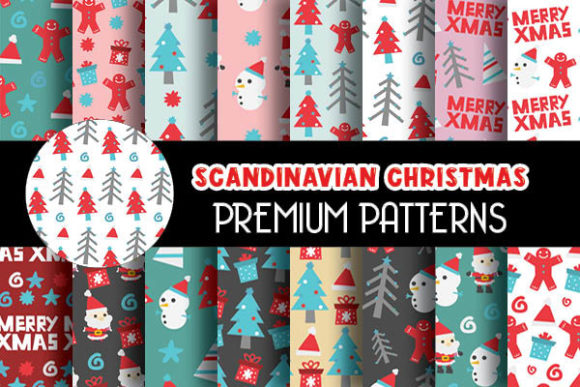
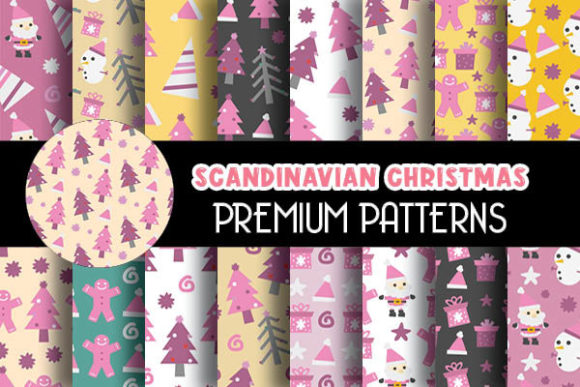
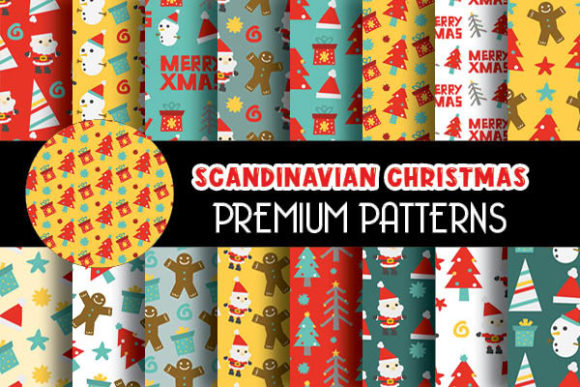
There is something quietly satisfying about a design that blends tradition with a personal twist. Scandinavian Christmas digital patterns have earned a loyal following among creatives for their clean lines, muted yet warm palettes, and understated charm. When you add football motifs into that mix, you get something unexpectedly versatile: a set of 16 Christmas Football digital paper backgrounds that pair festive spirit with a love for the game. These aren’t just seasonal graphics; they are tools you can adapt for everything from birthday invites to scrapbook layouts, without ever feeling kitschy or forced.
The appeal lies in the balance. Scandinavian design typically avoids clutter and loud ornamentation, favouring rhythm, negative space, and subtle repetition. Football elements—a ball silhouette, pitch lines, goalposts—can easily tilt toward the cartoonish if handled carelessly. Here, they are integrated with the same restraint: think repeated ball motifs in soft red and off-white, or geometric snowflake patterns that echo the shape of a football pitch. The result is a collection that feels both festive and grounded, equally at home on a party banner or a holiday card for your local team.
What Makes These Patterns Interesting to Work With
From a practical standpoint, digital papers solve a common creative bottleneck: you get a cohesive set of backgrounds that already work together. No need to hunt for matching tones or struggle with scaling issues. The 16 Scandinavian Christmas digital papers in this collection offer variety without overwhelming you. Some feature dense, all-over patterns; others rely on sparse, centred compositions. This range means you can use them as full-page backgrounds, cut-out elements, or even as inspiration for a colour palette.
The football element adds a layer of specificity that actually broadens application. A generic Christmas paper works for December projects only. A football-themed Scandinavian Christmas paper stretches into January birthday parties for sports fans, end-of-season celebrations, or even winter tournament invites. The patterns carry enough festive cues—stars, snowflakes, traditional red-and-white combos—to read clearly as Christmas, but the football motifs anchor them in a niche that many recipients will appreciate.
For designers and small business owners, this dual identity is valuable. You can market the same asset for two types of projects: holiday crafting and football-themed events. That reduces the number of unique assets you need to source, while still delivering something that feels custom for each use case.
Creative Project Ideas Across Different Audiences
Different users will approach these patterns from different angles. Here are several ways to apply them based on your role and goals.
For Party and Event Planners
If you organise events, these papers can form the backbone of a cohesive visual identity for a Christmas party with a football twist. Use one pattern for invitations, a second for thank-you notes, and a third for bunting or cupcake toppers. The Scandinavian aesthetic keeps the look mature enough for adult parties, while the football motifs signal a relaxed, playful atmosphere. You can pair the papers with solid-coloured cardstock in navy, grey, or cream to let the patterns stand out without visual competition.
For a children’s party, the same papers work well as wrapping for small gifts or as activity sheets. Print a few pages on standard paper and let kids colour in the patterns or cut out the football shapes. The clean Scandinavian lines mean the designs remain recognisable even after a child’s interpretation.
For Scrapbookers and Memory Keepers
Scrapbookers will appreciate the versatility of these papers when documenting a winter sports season, a Christmas spent watching matches, or a football-themed holiday gathering. Because the patterns are digital, you can resize them without losing quality. Use a full sheet as a background for a double-page spread, or crop a pattern into strips for borders and photo mats.
The colour palette typical of Scandinavian Christmas design—soft reds, muted greens, whites, and touches of grey or navy—makes the papers easy to pair with your own photographs. Photos of a local game, a family kickabout in the snow, or a decorated tree will all sit comfortably on these backgrounds. Avoid patterns that compete with your focal images; choose the denser papers for accents and the more minimal ones for full-page spreads.
For Bloggers and Content Creators
If you run a lifestyle or parenting blog, these patterns can elevate your seasonal posts without requiring advanced design skills. Use them as featured images for articles about Christmas activities that involve football, or as background templates for quote cards and social media graphics. The Scandinavian style gives your feed a cohesive, curated look that readers associate with quality and intentionality.
For a roundup post like “10 Christmas Games to Play with a Football,” you can use one of the digital papers as a pin background on Pinterest. The football motif reinforces the topic, while the festive pattern signals the seasonal angle. This kind of visual consistency helps with audience recognition and click-through rates.
For Small Business Owners and Marketers
Selling a product or service during the holidays often means competing with a sea of generic red-and-green graphics. Scandinavian Christmas digital patterns with a football focus let you differentiate your brand while staying relevant to the season. Use them in email newsletters, gift certificate backgrounds, or promotional banners for a Christmas sale aimed at sports fans.
The key is to keep the copy minimal and let the design do the work. A simple message like “Score big this holiday” placed on a clean patterned background reads as intentional rather than cheesy. If your business sells sports equipment, apparel, or event tickets, these patterns offer a way to acknowledge the holiday without abandoning your core audience.
Adapting the Patterns for Different Formats and Platforms
Digital papers are inherently flexible, but your output format will influence how you prepare them. For print projects, ensure your resolution stays at 300 DPI. The patterns in this collection should hold up well at standard sizes—A4, letter, or 12×12 inches for scrapbook pages. If you plan to print on fabric or transfer to mugs, test a small sample first to see how the colours shift on your chosen material.
For digital use, consider compressing the files slightly to keep website load times reasonable without visible quality loss. Social media graphics typically work at 72 DPI, so a scaled-down version of the paper will still look crisp. You can also extract individual elements from the patterns—a football motif or a snowflake—and use them as standalone icons. This extends the life of the asset beyond the original 16 backgrounds.
When adapting for different audiences, think about context. A football club’s Christmas party invite benefits from a pattern that includes both a ball and a star. A family reunion for football enthusiasts might lean toward the simpler, more geometric patterns that don’t scream “sports” but still reference it subtly. The Scandinavian design philosophy works well here because it prioritises suggestion over declaration.
Keeping Your Project Clear and Organised
With 16 patterns available, organisation matters. Before you start designing, decide which papers will serve as primary backgrounds, which will be secondary accents, and which will remain as options for smaller details. Label your files clearly with names that describe the pattern and its dominant colour. Something like “red-ball-repeat” or “snowflake-pitch-line” is more helpful than generic numbers when you are in the middle of a project.
Consistency across your project comes from limiting your palette. Even though you have 16 options, use no more than three patterns in a single piece. This prevents visual noise and keeps the Scandinavian aesthetic intact. If you are creating a series of items—invitation, menu, favour tag, banner—choose one pattern for the invitation and a complementary second pattern for the rest, repeating the first pattern only on the envelope or seal.
Originality emerges when you combine these patterns with unexpected materials or formats. Try printing a pattern on vellum paper and layering it over a solid colour. Use a pattern as a digital watermark on your own photography. Cut individual motifs from the papers and arrange them into a custom wreath or garland. The patterns are a starting point, not a finished product.
Practical Recommendations for Getting the Best Results
Start by printing one sheet of each pattern on standard copy paper to see how they look at full size. This gives you a physical reference that screen previews often distort. Hold the printed sheets next to the materials you plan to use—cardstock, fabric, gift wrap—to check contrast and readability.
If you are using the papers for digital invitations, test how they render on both light and dark mode devices. Some patterns with thin lines may disappear on a dark background, while others with large blocks of colour might dominate the text. Adjust opacity or add a semi-transparent overlay to keep your message legible.
For educators or parents using these patterns in classroom activities, print on heavy paper so the sheets withstand glue, scissors, and sticky fingers. The football motif can double as a teaching tool for younger children: count the balls on a page, identify shapes, or discuss the design principles of symmetry and repetition.
Ultimately, Scandinavian Christmas digital patterns with a football theme work because they respect two traditions at once. They honour the restrained beauty of Nordic design and the universal appeal of a sport that brings people together. Whether you are crafting a single invitation or building an entire event identity, these 16 papers give you a foundation that is both specific and surprisingly flexible. Use them as they are, remix them, or let them spark an idea that takes your project somewhere entirely new.