Art Deco Patterns in Greens, Reds, and Gold
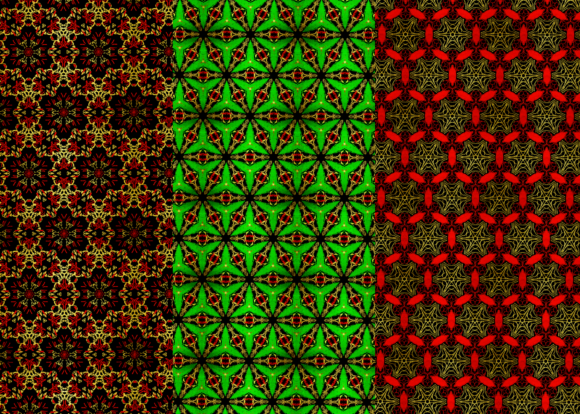
Art Deco patterns are a celebration of geometric precision, bold color, and timeless elegance. Originating in the 1920s and 1930s, this design movement blends luxury with modernity, creating visuals that remain relevant today. When infused with greens, reds, and gold tones, these patterns take on a rich, dynamic energy that can transform any space or project.
For artists, designers, and creators, Art Deco patterns offer a versatile foundation for expression. Whether used as backgrounds, textures, or printed for scrapbooking, they bring a sense of sophistication and history to every application. The combination of vibrant colors and structured forms makes them ideal for both digital and physical projects.
Why Art Deco Patterns Matter
Art Deco patterns appeal to a wide range of audiences because of their adaptability and visual impact. For beginners, they provide an accessible way to explore design principles through repetition, symmetry, and color theory. Experienced users may appreciate the depth of historical context and the opportunity to reinterpret classic motifs in new ways.
Entrepreneurs and small business owners often use these patterns for branding, product design, or packaging. The boldness of Art Deco ensures visibility and memorability, while the color palettes—especially greens, reds, and gold—can evoke specific moods or cultural associations. Educators might incorporate these designs into lessons on art history, design, or even mathematics, where the geometric elements offer practical examples of symmetry and proportion.
Mandala-Inspired Art Deco Designs
Some Art Deco patterns draw inspiration from mandalas, blending spiritual symbolism with modern aesthetics. These designs often feature intricate, repeating shapes that mirror natural forms found in flowers and botanical arrangements. The result is a fusion of organic beauty and structured geometry, making them ideal for creative projects that require both visual interest and meaning.
Mandalas in Art Deco style can be used as background textures for websites, social media posts, or print materials. Their complexity allows for layering and customization, while their simplicity ensures they don’t overwhelm the viewer. For scrapbookers, these patterns add a touch of elegance and storytelling to pages, enhancing the overall narrative of a project.
Practical Applications for Different Users
For hobbyists, Art Deco patterns in greens, reds, and gold offer a way to experiment with color and form without the need for advanced skills. They can be printed and used as templates for painting, embroidery, or collage work. For professionals, these designs serve as ready-made assets that can be integrated into larger projects, saving time and effort while maintaining a high level of quality.
Business owners looking to create unique products—such as phone cases, placemats, or apparel—can leverage these patterns to stand out in competitive markets. The availability of multiple sets in matching hues allows for cohesive branding across different items. For educators, these designs can be used to teach about cultural influences, historical movements, and artistic techniques in an engaging and visually appealing way.
Choosing the Right Art Deco Pattern
When selecting Art Deco patterns, consider your specific needs and goals. Beginners may prefer simpler designs that are easy to understand and apply. Experienced users might look for more complex patterns that allow for deeper exploration and customization. For commercial use, prioritize high-resolution files that maintain clarity at any size.
Consumers interested in scrapbooking or home decor should focus on patterns that complement their existing styles and color schemes. Those working on digital projects may need formats that are compatible with design software or web platforms. Always evaluate the quality of the files, ensuring they are clean, scalable, and suitable for your intended use.
Exploring Color and Meaning
The choice of colors in Art Deco patterns plays a significant role in their emotional and cultural impact. Greens symbolize growth, balance, and renewal, making them ideal for projects that aim to convey harmony or sustainability. Reds represent passion, energy, and power, adding a strong visual statement to any design. Gold tones evoke luxury, warmth, and elegance, perfect for creating a sense of opulence or refinement.
These color combinations can be used strategically to align with brand identities, personal preferences, or thematic elements. For example, a wedding planner might choose red and gold patterns to reflect celebration and tradition, while a wellness brand could use green designs to emphasize health and nature.
Where to Find Art Deco Patterns
Many artists and designers offer Art Deco patterns in .png format, making them easy to download and use across various platforms. These files are typically available in different sizes and resolutions, allowing for flexibility in application. Some sources provide free downloads, while others offer premium options with additional features or exclusive designs.
When searching for Art Deco patterns, look for creators who clearly describe their work and provide examples of how the designs can be used. This helps ensure that the patterns meet your expectations and fit your project requirements. Always check licensing terms to confirm that the files can be used for your intended purpose, whether personal, commercial, or educational.
Final Thoughts
Art Deco patterns in greens, reds, and gold tones offer a powerful blend of historical influence and modern appeal. Whether you're a beginner exploring design basics or a professional seeking high-quality assets, these patterns provide a versatile and meaningful resource. By understanding their potential applications and considering your unique needs, you can make informed decisions that enhance your creative or business endeavors.